
According to a 2025 survey, over 75% of American homeowners admit to competing with their neighbors when it comes to who has the nicest lawn. Some spend hours, and sometimes even days, each week mowing, weed-whacking, edging, and tackling other landscaping tasks, all in an attempt to outdo their neighbors by creating the healthiest, best-looking lawns around.
Whether you’re the competitive type or not, you should make it your mission to keep your lawn lush, if for no other reason than that it will dramatically improve the curb appeal of your home and potentially even increase its value. At the same time, you should also aim to prevent insect infestations from taking over your lawn at all costs.
Continue reading to learn how to keep a pristine lawn while also preventing unwanted insects.
Stop Debris From Building Up
Are there leaves, sticks, grass clippings, and other debris scattered around on your lawn right now? Cleaning it all up could be the key to making your lawn healthier than ever while also minimizing the chances of insect infestations.
Insects are always on the lookout for places to hide, and a cluttered lawn provides the perfect place to settle down. Get into the habit of cleaning up your lawn every week or two, especially during the warmer months, to eliminate many of the hiding places insects might otherwise use.
Mow Regularly
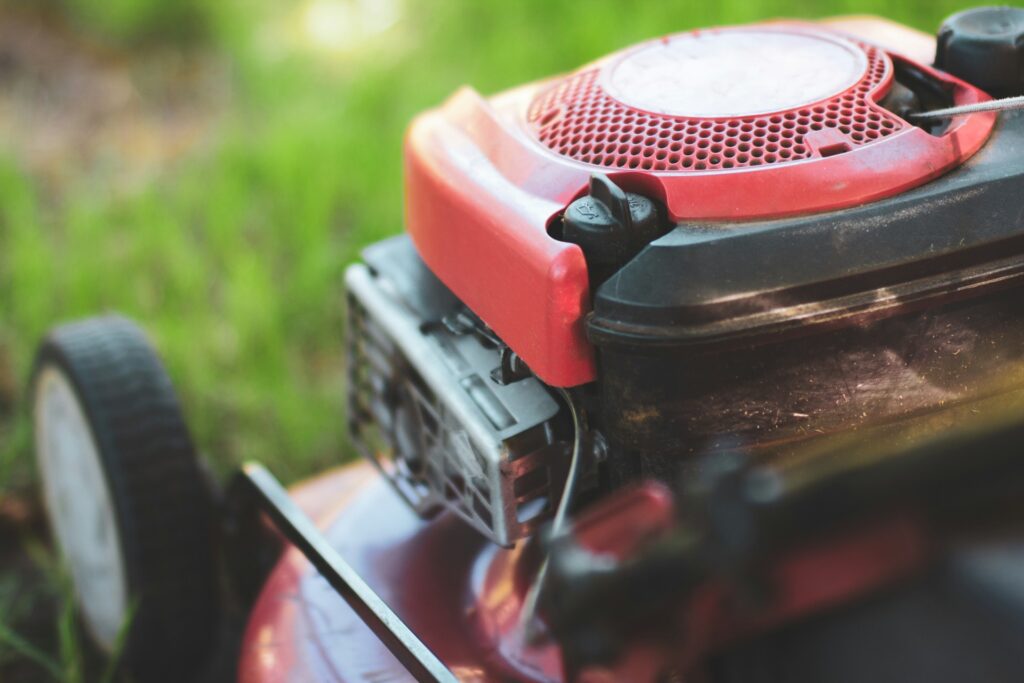
“How often should I mow my lawn?” is a question you might be asking if you’re a newer homeowner who is still used to renting and being a tenant, or simply someone who hasn’t traditionally taken the best care of their lawn. Either way, the answer varies depending on who you ask.
As a general rule of thumb, you shouldn’t ever cut more than one-third of the height of your grass when mowing your lawn. You also shouldn’t ever let your lawn grow too much, and give insects the shade they need to hunker down in your grass.
Mowing your lawn about once every week should keep it at the correct height, which is usually somewhere between 2 and 4 inches high. You should also look into caring for your lawn by dethatching and aerating it to encourage growth.
Read: How a Concrete Calculator Saves Time and Money in Business Construction?
Trim Bushes, Shrubs, & Trees
Grass isn’t the only thing that’s going to grow in your yard. Bushes, shrubs, and trees will also grow and, in some cases, grow quickly, giving insects more places to retreat.
Every few weeks, evaluate these bushes, shrubs, and trees and determine whether any could benefit from trimming. Aside from forcing insects to search for hiding spots elsewhere, this will also prevent branches from breaking and falling, which could result in property damage and even injuries.
Provide Enough Water (But Not Too Much!)
Over one-fourth of American homeowners say they never water their lawns, instead relying on rain and other precipitation to keep their grass hydrated. Unfortunately, this leads to many lawns looking the worse for wear, especially during the drier times of year.
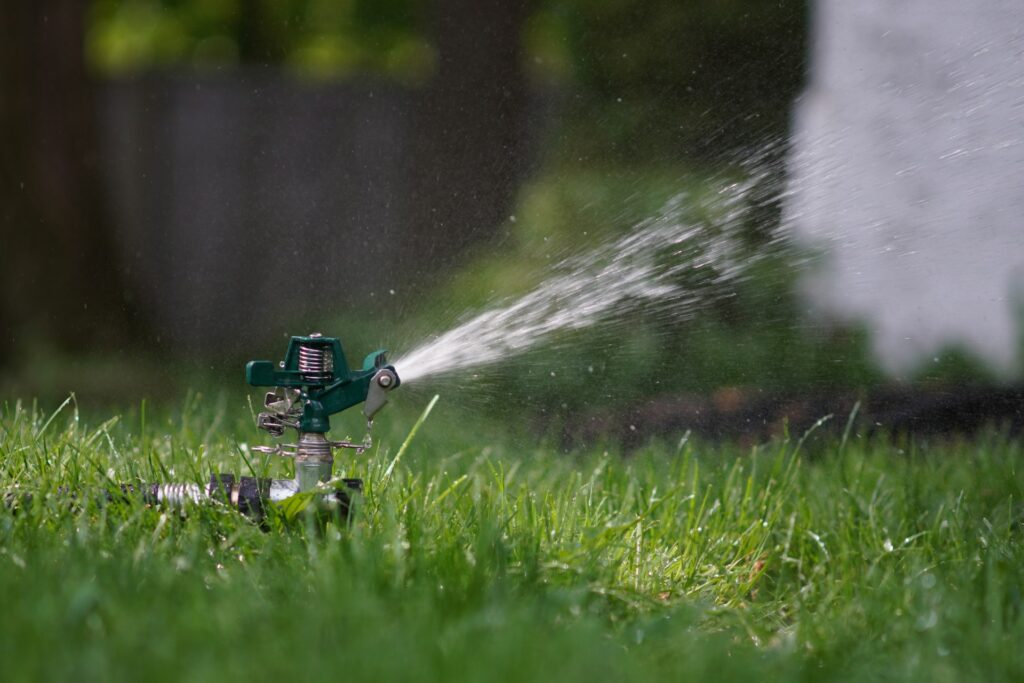
You don’t want to water your lawn too often, as this can be just as harmful as not watering it at all. You also don’t want to water to the point where you have standing water in your yard, since it can attract many insects and other pests in a hurry.
Try watering your lawn once or twice each week so its deep roots can continue to grow. Ideally, you should water it at the start of the day to give your lawn plenty of time to dry before the sun sets, as this could lead to insect infestations, mold growth, and more.
Apply Fertilizer Seasonally
Just over half of American homeowners use fertilizer on their lawns annually. This fertilizer can ensure your lawn gets the nutrients it needs, helping it build its own defenses against insect infestations.
Look for slow-release fertilizers that strike the right balance while providing your lawn with nutrients. You should also use the appropriate fertilizers for your lawn type.
Conduct Soil Tests
If you reach this point and you’re still not satisfied with your lawn, you might have to take more dramatic steps to bring it back to life. For example, you may need to arrange for your soil to be tested, which can uncover nutrient deficiencies, pH imbalances, and other harmful issues.
A lack of specific nutrients could be the sole reason why your lawn is so susceptible to insect infestations.
Seek Professional Assistance
The U.S. is home to more than 650,000 landscaping services, including many located right in your neck of the woods. If you can’t seem to get your lawn to look amazing no matter how hard you try, have one help you tend to it more effectively. Hire the right contractor for the job and let them take the reins.
Take Pride in Your Lawn & Keep the Insects Away
As a homeowner, your lawn should be one of your biggest sources of pride and joy. It’s one of the first things people will see when visiting your home, so it should set the right tone for what’s to come.
Look into using products like a lawn insecticide to keep insects at bay. Read the other articles on our blog for more tips on taking better care of your home!