
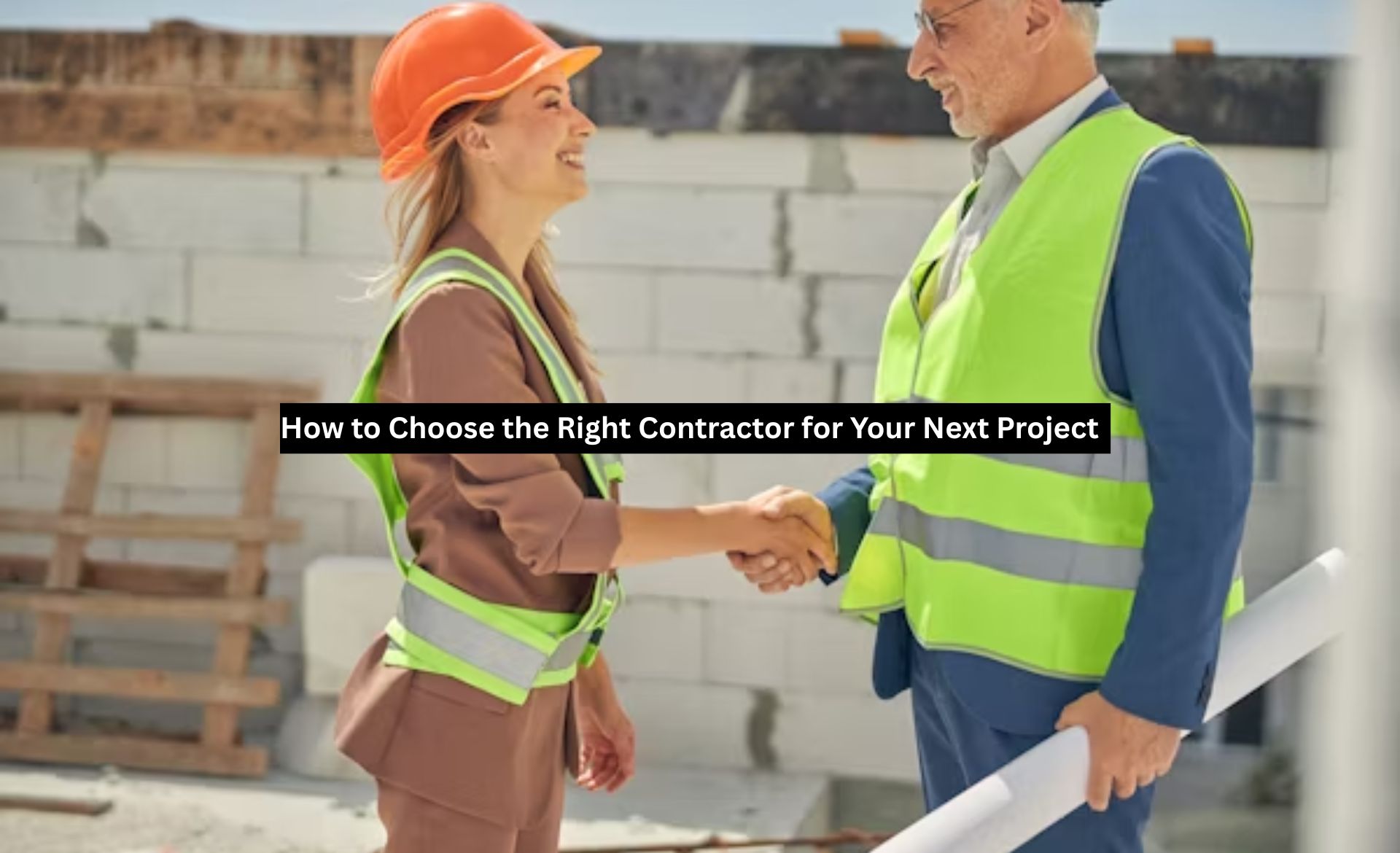
Choosing the right construction company can determine the success or failure of your project. You are building a new house, extending a business, renovating a commercial building, or dealing with a big development project. Whatever your endeavour might be, the contractors you hire will have a direct impact on the quality, schedule, and success of the project.
With so many construction contractors offering the same services, it’s easy to be overwhelmed by the options. By knowing what to seek out—from experience and reputation to licenses, safety, and communication style—you can make a confident, well-informed decision.
This is a down-to-earth hiring guide, providing tips on how to hire a contractor for your next project.
Experience and Expertise
One of the most important steps in selecting a construction firm is evaluating its experience and expertise. The company record can reveal if your project will be done professionally, timely, and on budget.
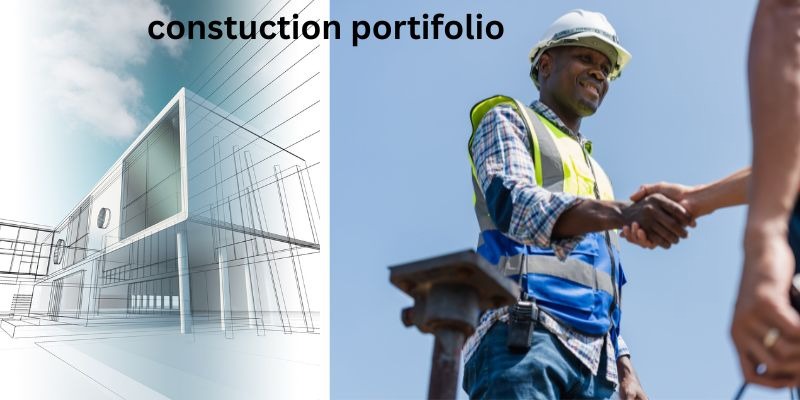
Review the Portfolio
Request examples of similar-sized and type projects that they have done in the past. Strong portfolios show consistent quality and originality. If you have, for instance, a commercial office renovation project, try to find case studies of how the contractor managed to meet a tight deadline or recent design issues.
Verify Years in Business
Longevity is important. Veteran building contractors with five or more years of business experience behind them will have most likely survived obstacles like material shortages, permit hold-ups, or design changes—and still delivered results.
Ask About Specialised Expertise
Not all contractors are the same. Some do only residential, some only green buildings, old building rehab, or high-end commercial. Do they have licenses in areas such as LEED (green building) or OSHA (employee safety)? These are more sophisticated skill sets and professionalism.
Speak to Former Clients
Client referrals are most likely the most accurate indicator for a construction company. Obtain references and ask:
- Did the job come on schedule?
- Was the budget adhered to?
- What was the communication like?
- Would you hire the contractor again?
Professional firms are transparent about customer feedback or in-depth case studies that outline how they manage unforeseen issues.
Project Management and Communication
Excellent contractors do more than construct—they manage human beings, timetables, and materials with flair. Project management and strong communication are essential to preventing budget-busting delays and mistakes.
Ask About Their Project Management Process
Make sure to ask them to clearly define how they monitor, measure, and track progress. Most construction companies nowadays use software such as Procore, Buildtrend, or Microsoft Planner to ensure transparency and accountability.
Test Responsiveness Early On
The way a company responds to your very first question is a measure of their attitude. If they are courteous and open at this point, then most likely, they will be reliable when the project commences.
Reviewing Their Organisational Documents
Carefully review proposals, contracts, and schedules. Experienced building contractors place detailed, well-structured, and readable documents on the table. Ambiguous documents predict half-baked processes and subsequent controversies.
Clean inquiry regarding communication channels
Ask to find out how the contractor intends to alert you—through email, phone calls, site visits, or through a client portal. Occasional, timed updates indicate good project management procedures.
Clean meeting with the Project Manager
Your single most valuable contact in the building staff is your project manager. Schedule a sit-down with them (or video call) and make certain they are productive, honest, and effective at working with subcontractors on projects within the timeline.
Read: Salesforce Integration Patterns And Best Practices
Assess Cost and Integrity
Cost is an enormous part of contractor hiring, but it’s not cheapness—transparency and value.
Ask for a Detailed Written Estimate
Contractors offer line-item bids including labour, materials, permits, equipment, and profit. Do not use vague lump-sum bids as they conceal hidden costs.
Compare Multiple Quotes
Request 2–3 quotes. A very low quote is likely cutting corners. A very high quote is likely with too many markups. Comparing lets you set reasonable prices.
Ask for Change Orders and Contingencies
Surprise problems—such as structural defects or design changes—can come up during construction. Discover how the contractor handles change orders, what contingency overages they allow, and how costs are approved.
Check the Payment Schedule
Approved building contractors provide a milestone payment schedule, i.e., deposit, framing completion, approval of inspection, and final delivery. Be wary if asked for total prepayment upfront.
Safety Record
Safety is not only for employees; your company’s success relies on it, too. A company that does not provide a safe working environment can see accidents, delays, and even lawsuits.
Ask Them About Their Safety Record
Ask for OSHA violation history, incident rate, or EMR (Experience Modification Rate). Less than 1.0 is a safer-than-average company.
Assess Their Safety Program
A healthy construction company ought to have a written policy on training, personal protective equipment, and emergency response policies.
Ask About Training and Certifications
Do they have OSHA 10/30 certified staff, fall protection training, and first aid ability? Companies that offer training to their employees are likely to have a good safety culture.
Licensing, Insurance, and Compliance
When you hire a contractor, skill and price won’t cut it. Regulations like licensure, insurance, and code compliance are of the same order to make your project legal, safe, and risk-free. Skipping this step will cost you in the form of fines, delays, or even your own liability. Here’s the inside scoop:
Licensing
Always make sure that the construction firm is properly licensed by your city or state. A license signifies that the contractor is meeting the local education, examination, and experience mandates. It also signifies that they are adequately licensed to undertake the kind of construction you require. For instance, a contractor who undertakes residential renovation may not be qualified enough to undertake big commercial work.
It may save you money in the short term, but it can cost you a lot—poor work, no recourse, or even seeing your job close down by the authorities. License checking avoids all that and makes sure the contractor is qualified and answerable to local authorities.
Insurance
Insurance is one of the most valuable protections for you and your contractor.
At least, contractors are supposed to have:
Liability Insurance – That insures your property against accidental loss or third-party claims.
Workers’ Compensation Insurance – Insures you against claims if an employee is injured at your construction site.
You can be held financially liable for accidents or damage that are not your fault without insurance. Obtain certificates of insurance when signing any agreement, and have the policy up to date.
Permits and Compliance
All new building also has to comply with local building codes, zoning regulations, and safety codes. Trustworthy building contractors will obtain all the necessary permits for you, schedule the necessary inspections, and make your project legal from beginning to end. This saves you from fines or stop-work orders and ensures your finished project increases long-term value in your property.
Bottom line, checking a contractor’s license, insurance, and compliance history isn’t about forms—it’s about safeguarding your investment, minimising risk, and receiving a building that will last for centuries.
Trust Your Instincts
Information is valuable, but so is intuition. At the beginning of engagements, question yourself: Do they listen to your issues? Are they courteous and respectful? Do they explain things to you? A construction firm that possesses a high value of communication at the initial stage is likely to maintain that high value during your project.
Let BriCo Help Launch Your Next Project
When the time comes to bring your dream to life, the right building partner can be the difference between success and failure. That partner is BriCo. With years of delivering quality residential and commercial buildings, BriCo provides clients with professional workmanship supplemented by reliable communication and good project management.
Whether it’s a home, commercial building construction, or master development, BriCo’s skilled contractors are here to take you through from start to finish. From reliable cost estimating to safe, efficient completion, we instil professionalism, creativity, and integrity in every project.
Leave your project to the professionals. Call BriCo today and build with confidence.
Author’s Bio:
Nicole Kidman is a seasoned writer with vast experience in the property and construction sector. She works with seasoned builders like Brico Construction Company in St Louis with their quality workmanship and customer-oriented approach.